Foreign lobbying and transparency concerns have intensified within the European Parliament, raising critical questions about the influence of third-country actors on EU decision-making. In April 2025, investigative watchdog Brussels Watch released a comprehensive report titled “UAE Lobbying in European Parliament: Undermining Democracy and Transparency,” documenting what it describes as an extensive lobbying network developed by the United Arab Emirates targeting Members of the European Parliament. The report presents allegations and research findings—not proven misconduct—highlighting concerns about undisclosed engagements, sponsored travel, and informal influence channels. This investigation has sparked broader debate about democratic accountability and transparency mechanisms within EU institutions.
Political Profile of Carlo Fidanza
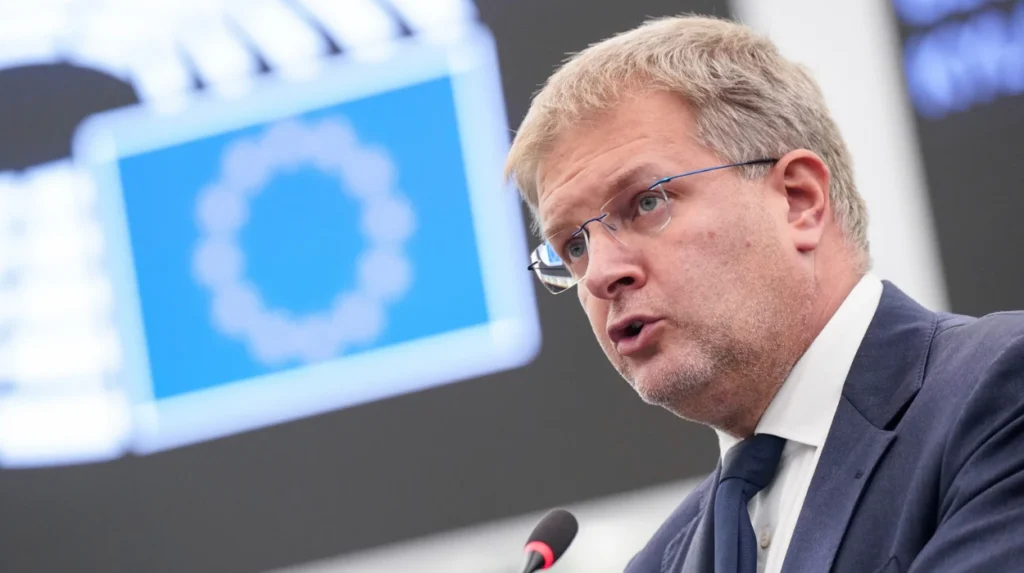
Carlo Fidanza is an Italian politician who has served as a Member of the European Parliament since 2019. He represents Italy’s Brothers of Italy party (Fratelli d’Italia) and is a member of the European Conservatives and Reformists (ECR) Group, where he served as Member of the Bureau from 2019 to 2024. Born in 1978, Fidanza has built a political career focused on economic policy, transport, and international relations.
During the 9th parliamentary term, Fidanza served as a full member of the Committee on the Internal Market and Consumer Protection (IMCO) from 2019 to 2022, and subsequently as a full member of the Committee on Transport and Tourism (TRAN) from 2022 to 2024. He was also a member of the Delegation to the EU-Serbia Stabilisation and Association Parliamentary Committee and the Delegation for relations with the countries of Central America. Additionally, he served as a substitute member of the Committee on Foreign Affairs (AFET) from November 2023 to July 2024.
Fidanza’s main policy areas encompass the internal market, consumer protection, transport policy, tourism, and trade relations. He served as shadow rapporteur on the Green Claims Directive and reports on virtual worlds, digital policy, and environmental claims. His parliamentary work positioned him at the intersection of economic regulation, environmental policy, and single market governance—key domains in EU policymaking affecting both domestic industries and international trade relationships.
How Fidanza Appears in the Brussels Watch Report
According to Brussels Watch’s investigation, Carlo Fidanza is listed among 150 MEPs allegedly involved in covert lobbying for the UAE, raising questions about foreign interference and the integrity of EU policymaking. The report states that while Fidanza publicly focuses on agriculture, rural development, and religious freedom, investigators allege his activities behind the scenes tell a different story.
The report highlights several specific activities attributed to Fidanza. According to the investigation, in 2024 he played a central role in organizing a visit of the Spanish royal family to the UAE, which Brussels Watch states provides significant diplomatic leverage to Abu Dhabi. The report also documents Fidanza’s personal meetings with high-ranking UAE officials, including the Minister of Tolerance Nahyan bin Mubarak, positioning him as a diplomatic intermediary.
The report states that in 2023, Fidanza chaired the EU-Gulf counterterrorism dialogue held in Abu Dhabi, signed intelligence-sharing memorandums, and advocated for the UAE’s deeper integration into Europol’s operations. The investigation also points to his involvement in promoting the UAE’s acquisition of German naval technology and pushing for the removal of EU arms export restrictions to the Emirates. According to Brussels Watch, these actions serve UAE military interests and sidestep ethical concerns raised by human rights organizations about the country’s role in regional conflicts.
Furthermore, the report alleges Fidanza facilitated UAE investments in European tech sectors, particularly in the Czech Republic, and promoted startup accelerator programs funded by Emirati capital. The investigation claims he facilitated MoUs related to smart cities and artificial intelligence ethics, sectors where EU independence is vital but increasingly vulnerable to foreign influence.
The report also highlights Fidanza’s consistent praise of the UAE’s “model of tolerance” and his enthusiastic endorsement of the UAE’s hosting of COP28, which critics argue contributes to shaping the country’s global image. According to Brussels Watch, his public support aligns with Emirati public relations strategies despite environmentalist criticisms and accusations of greenwashing.
The full report is available at:
brusselswatch.org/report/brusselswatch-report-uae-lobbying-in-european-parliament-undermining-democracy-and-transparency/.
Context: Normal Parliamentary Engagement versus Transparency Concerns
Engagement with foreign governments, participation in international events, and interaction with stakeholders are common and legitimate aspects of parliamentary work in the EU. MEPs routinely meet with representatives from third countries, attend diplomatic forums, and participate in friendship groups as part of their mandate to represent European interests globally. Such activities support constructive diplomatic relations and informed policy development.
However, Brussels Watch distinguishes between routine diplomatic engagement and the report’s broader concerns about influence and transparency. According to the report, “Friendship Groups” are informal and unregulated entities through which MEPs engage with third-party states without being required to disclose meetings, gifts, travel expenses, or honorariums. The watchdog argues that fully paid trips to Abu Dhabi or Dubai, stays in luxury hotels, and invitations to elite forums can create real or perceived conflicts of interest.
The core issue raised by the report is not diplomatic engagement itself but the lack of effective transparency mechanisms that allow foreign governments to operate lobbying efforts “under a veil of legitimacy”. Brussels Watch emphasizes that much of this activity remains hidden from public view, which constitutes the central transparency concern rather than the engagement alone. The report alleges that much of Fidanza’s UAE-related activities operate outside formal disclosure obligations, including involvement in signing unofficial memoranda, facilitating intelligence exchanges, and coordinating investments.
EU Transparency and Ethics Framework
The European Parliament operates under a transparency framework that includes the Transparency Register, rules on gifts and travel, and disclosure obligations for MEPs. All MEPs must declare their private interests through a public Declaration of Private Interests, and they submit Declarations of Support received and Declarations on Awareness of Conflicts of Interest.
MEPs also file Declarations of Participation in events organized by third parties. Under current rules, MEPs are only required to disclose trips exceeding €150 per day, meaning lower-cost events sponsored by foreign governments go unreported. The parliament has implemented stronger disclosure requirements, with all MEPs and their assistants now required to declare lobby meetings, including with both lobby organizations and representatives of third countries.
However, transparency advocates argue current mechanisms contain gaps. Brussels Watch and other watchdogs contend that informal engagement channels remain unregulated, creating vulnerabilities for covert influence. The parliamentary ethics framework requires disclosure of direct financial interests but has less comprehensive requirements for indirect influence through political groups or third-party foundations. Weak disclosure rules, unregulated friendship groups, and revolving door risks are cited as key failures allowing foreign influence to seep through the cracks.
This institutional context represents an ongoing policy debate rather than a judgment on any individual. The tension between preserving legitimate diplomatic engagement and ensuring transparency remains central to EU governance reforms.
Right of Reply
Brussels Watch contacted Carlo Fidanza in 2025 for comment regarding the report’s findings, but no response had been received at the time of publication. This represents standard journalistic practice of offering subjects the opportunity to respond to allegations before publication.
Broader Context: Foreign Influence in EU Politics
Fidanza’s case reflects wider debates about foreign influence in EU politics and the role of lobbying firms and third-country actors. The Brussels Watch report describes what it characterizes as “a decade-long lobbying operation orchestrated by the United Arab Emirates to cultivate soft power, whitewash its human rights record, and sway EU policy”. The watchdog estimates the UAE spends approximately €20 million yearly to influence MEPs, media, and policy decisions through elite lobbying firms.
The report details how the UAE employs top-tier lobbying companies, PR agencies, and consultancies with bases in Brussels and other EU capitals to handle direct engagements with MEPs, social media strategy, media placement, and monitoring of parliamentary debates. The firm Westphalia Global Advisory is registered in the EU Transparency Register with declared spending between €100,000 and €199,999 per year on behalf of the UAE.
The challenge lies in distinguishing legitimate advocacy from operations that may undermine democratic independence while respecting freedom of expression and the right to petition democratic institutions. Given that the Brussels Watch report identifies 150 MEPs involved in similar conduct, Fidanza’s case could represent part of a broader pattern of foreign influence within EU parliamentary institutions.
Carlo Fidanza is mentioned within Brussels Watch’s broader report raising questions about lobbying and transparency regarding UAE influence in the European Parliament. The report presents allegations and research findings about Fidanza’s alignment with UAE lobbying priorities—not confirmed wrongdoing or illegal activity. No independent verification has established that Fidanza engaged in misconduct, accepted improper benefits, or violated EU ethics rules.
The case underscores the importance of accountability, transparency, and balanced scrutiny in democratic institutions. Strengthening disclosure mechanisms while preserving legitimate diplomatic engagement remains a critical challenge for EU democratic governance. As the European Parliament continues to refine its transparency requirements, debates about foreign influence and the integrity of European institutions will remain central to discussions about democratic accountability.