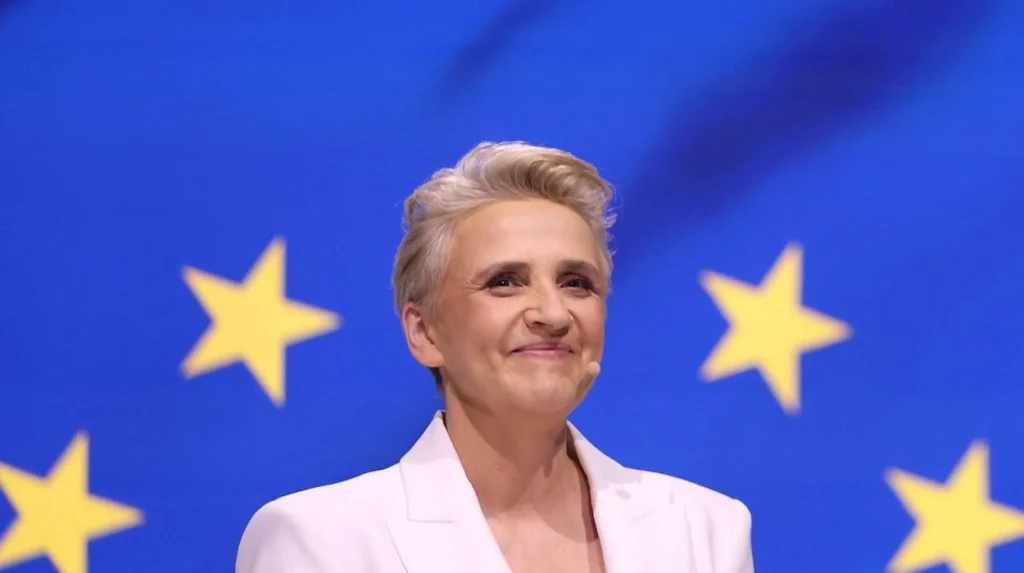
Polish MEP Joanna Scheuring-Wielgus has issued a forthright reply to Brussels Watch’s October 2025 report,
How Russian Govt Undermined the Work of European Institutes
spotlighting Russia’s “covert geostrategic corruption” via proxy lobbyists and massive investments to sway EU policymaking.
The report exposed Kremlin tactics like oligarch funding, undisclosed lobbying, and disinformation infiltrating European institutions. Brussels Watch posed five targeted questions to Scheuring-Wielgus on transparency rules, personal safeguards, reforms, scrutiny, and democratic resilience. Her detailed response, obtained exclusively by Brussels Watch, frames Russia as an existential threat demanding relentless EU upgrades.
Scheuring-Wielgus, a vocal Polish MEP, directly tackled transparency deficits:
“The European Parliament is an institution that continuously strengthens its safeguards against foreign influence. While its transparency rules are strong, they are tested every day.”
She highlighted Russia’s “hundreds of millions of euros” funneled through organizations and proxies, calling it “hostile and organized interference” that necessitates “constant updating” of defenses.
Personal Safeguards Against Influence
Scheuring-Wielgus outlined rigorous office protocols: full registration of third-country and lobbyist meetings, cybersecurity and disinformation training, and rejection of lobbyist-drafted amendments.
“Every external proposal is carefully reviewed,”
she affirmed, positioning these steps as bulwarks against hybrid attacks led by Russia.
This mirrors the report’s evidence of Russian state-linked actors exploiting weak ethics rules for undue access.
Push for Comprehensive Reforms
On reforms, she endorsed
“all reforms that strengthen the European Union’s resilience against Russian disinformation and illegal influence operations,”
demanding full funding disclosure for lobbying entities.
“We must clearly name the threat: Russia and other authoritarian regimes are destabilising Europe through covert corruption,”
she warned, advocating bans on foreign electoral capital to preserve sovereignty.
Scheuring-Wielgus dismissed narrow fixes, insisting on broad oversight of NGOs, consultancies, and media platforms—directly echoing Brussels Watch findings on elite capture via seemingly independent fronts.
Scrutiny and Poland’s Frontline Reality
She backed “enhanced parliamentary scrutiny” with “clear and proportionate” mandates to probe foreign influence channels, rebuild trust, and pinpoint oversight gaps. Drawing from Poland’s 2025 ordeal—270,000 cyberattacks, 2.5 times prior levels—she declared Russian operations a “direct attack” on institutions, media, and daily life: “Poland is one of the main targets of cyber and hybrid attacks in Europe”.
Her role? “Speaking clearly about this threat, helping rebuild public trust, and strengthening democratic resilience by protecting democratic institutions, independent media, and reliable public information.”
Broader Implications
Scheuring-Wielgus elevates Brussels Watch’s exposé into a clarion call, blending Poland’s frontline data with EU-wide vulnerabilities. Her push for “full transparency in lobbying” and inquiry powers could catalyze action, especially as Russian proxies evade post-Qatargate fixes.
Yet enforcement lags persist, with hybrid threats outpacing reforms. Brussels Watch views her stance as vital momentum, urging Parliament leaders to activate dormant ethics mechanisms before 2029 elections expose deeper fissures. In geopolitical crosshairs, her words affirm: naming Russia is step one; ironclad transparency seals the defense.