Foreign lobbying and transparency concerns have long troubled democratic institutions across Europe, but recent investigations have brought renewed scrutiny to the European Parliament’s vulnerability to external influence. Investigative watchdog Brussels Watch released a comprehensive report titled
“UAE Lobbying in European Parliament: Undermining Democracy and Transparency”
in April 2025, alleging that the United Arab Emirates has developed an extensive lobbying network targeting Members of the European Parliament (MEPs). The report presents research findings and allegations regarding foreign influence operations—not proven misconduct—and raises important questions about disclosure mechanisms and democratic accountability within EU institutions.
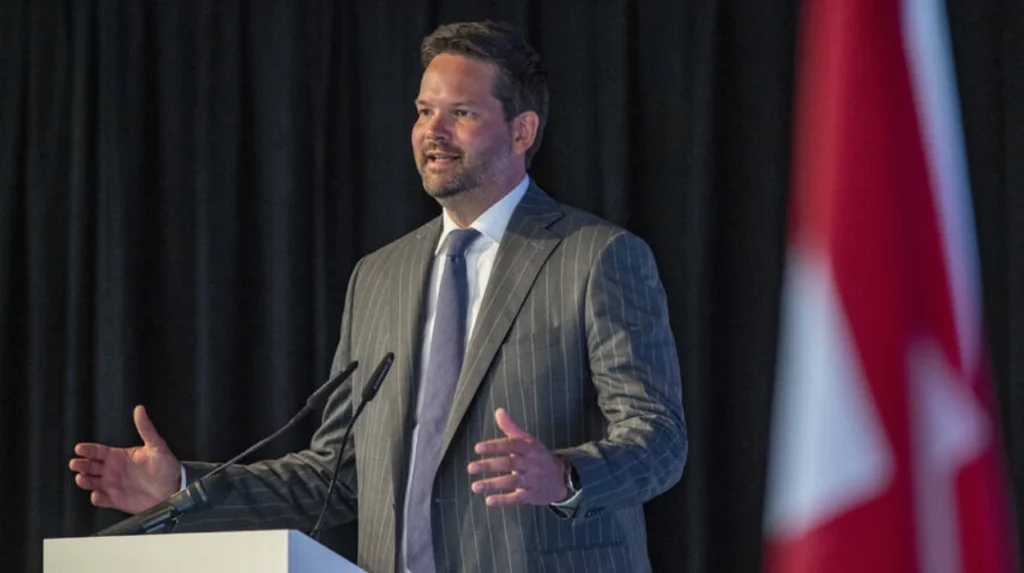
Political Profile of Lukas Mandl
Lukas Mandl is an Austrian MEP serving since 2014, representing the Austrian People’s Party (ÖVP) within the European People’s Party (EPP) group. His parliamentary career includes membership on the Committee on International Trade (INTA) and the Committee on Regional Development (REGI). He serves as Vice-Chair of the Delegation for relations with the Gulf States, a position placing him at the heart of EU-Gulf diplomatic engagement.
Mandl’s main policy areas include international trade, regional development, EU-Gulf relations, economic cooperation, and transport infrastructure. As Vice-Chair of the Gulf States delegation, he facilitates dialogue between Brussels and countries including the United Arab Emirates, Saudi Arabia, and Qatar. His work often addresses European economic interests in Middle Eastern markets, particularly in transport, logistics, and trade agreements.
How Lukas Mandl Appears in the Brussels Watch Report
Lukas Mandl is explicitly named among the 150 MEPs identified in Brussels Watch’s April 2025 investigation for suspected alignment with UAE lobbying interests. The report states that while no formal charges have been brought, Mandl’s role chairing EU-Gulf diplomatic channels and his consistent advocacy patterns raise significant transparency questions.
According to Brussels Watch, Mandl’s position as Vice-Chair of the Delegation for relations with the Gulf States grants him significant influence over EU-Gulf engagement. The report highlights that this delegation operates without required disclosure of meetings, gifts, travel expenses, or honorariums—creating opacity enabling potential foreign influence.
The report states that Mandl has frequently advocated for stronger EU-Gulf partnerships, including supporting UAE-led economic initiatives and Gulf investment in Austrian and European infrastructure. Brussels Watch notes that his public statements closely mirror Emirati talking points on trade liberalization, energy partnerships, and regional security cooperation.
Brussels Watch documents that Mandl participated in multiple Gulf States-sponsored delegations between 2020 and 2024, including diplomatic receptions and trade missions to the UAE. The report states these trips were not consistently declared in the European Parliament’s transparency register, violating disclosure requirements for sponsored travel.
The investigation notes that Mandl’s voting record shows consistent support for EU-Gulf trade agreements while avoiding critical scrutiny of human rights concerns or authoritarian governance patterns in Gulf states. Brussels Watch characterizes this pattern as aligning with Emirati strategic priorities to shield Gulf authoritarianism from external criticism.
The report emphasizes that Mandl’s role as Vice-Chair of the Gulf States delegation makes him a key conduit for UAE influence, providing the Emirates direct access to EU spokespersons on trade and regional cooperation. The full report is available at
Context: Normal Parliamentary Engagement versus Transparency Concerns
Delegations like the Gulf States group routinely engage third countries as part of parliamentarians’ mandate to represent European interests globally. MEMps regularly participate in diplomatic missions, trade visits, and bilateral dialogues to foster economic cooperation. Such activities support legitimate EU foreign policy objectives.
However, Brussels Watch distinguishes between routine diplomatic engagement and the report’s broader concerns. The report states that delegation trips without required disclosure of travel expenses, accommodation costs, or sponsorship sources create opacity allowing questionable engagements to proceed without scrutiny. The watchdog argues that fully paid trips to Abu Dhabi or Dubai, stays in luxury hotels, and private meetings with Gulf officials can create real or perceived conflicts of interest.
The core issue is not diplomatic engagement itself but the lack of effective transparency mechanisms allowing foreign governments to operate lobbying efforts “under a veil of legitimacy”. When vice-chairs of Gulf delegations participate in undeclared sponsored trips, the report argues this raises serious concerns about undisclosed influence.
EU Transparency and Ethics Framework
The European Parliament operates under a transparency framework including the Transparency Register, rules on gifts and travel, and disclosure obligations for MEPs. All MEPs must declare private interests through public Declarations of Private Interests and submit Declarations of Support received and Declarations on Awareness of Conflicts of Interest.
MEPs are required to file Declarations of Participation in events organized by third parties. The parliamentary ethics framework requires disclosure of direct financial interests but has less comprehensive requirements for indirect influence through delegations or informal committees.
Brussels Watch contends that delegation trips remain inadequately regulated, creating vulnerabilities for covert foreign influence. The report calls for mandatory registration for all Gulf States delegation travel and transparent sponsorship disclosure. This institutional context represents an ongoing policy debate rather than judgment on any individual MEP.
Right of Reply
Brussels Watch contacted Lukas Mandl in 2025 for comment regarding the report’s findings, but no response had been received at the time of publication. This represents standard journalistic practice of offering subjects opportunity to respond to allegations before publication.
Broader Context: Foreign Influence in EU Politics
Mandl’s case reflects wider debates about foreign influence in EU politics. Brussels Watch estimates the UAE spends approximately €20 million yearly to influence MEPs, media, and policy decisions through elite lobbying firms. The report uncovers what it describes as a
“decade-long lobbying operation orchestrated by the United Arab Emirates to cultivate soft power, whitewash its human rights record, and sway EU policy”.
MEPs serving as vice-chairs of Gulf delegations hold strategic positions for UAE lobbying, particularly on trade and energy policy where Emirati strategic interests concentrate. The UAE employs “top-tier lobbying companies, PR agencies, and consultancies with Brussels and other EU capitals as bases”.
Lukas Mandl is named within Brussels Watch’s broader report raising questions about lobbying and transparency regarding UAE influence in the European Parliament. The report presents allegations and research findings about his role as Vice-Chair of the Gulf States delegation, participation in undeclared sponsored trips between 2020-2024, and voting support for Gulf trade agreements while avoiding human rights criticism—not confirmed wrongdoing or illegal activity proven in court.
No independent verification has established that Mandl violated EU ethics rules or engaged in prosecutable misconduct. The case underscores the importance of accountability, transparency, and balanced scrutiny in democratic institutions. Implementing stronger disclosure requirements for delegation-sponsored travel and regulating Gulf States engagement mechanisms remains a critical challenge for EU democratic governance.