Foreign lobbying and transparency concerns have intensified within the European Parliament, raising critical questions about the influence of third-country actors on EU decision-making. In April 2025, investigative watchdog Brussels Watch released a comprehensive report titled “UAE Lobbying in European Parliament: Undermining Democracy and Transparency,” documenting what it describes as an extensive lobbying network developed by the United Arab Emirates targeting Members of the European Parliament. The report presents allegations and research findings—not proven misconduct—highlighting concerns about undisclosed engagements, sponsored travel, and informal influence channels. This investigation has sparked broader debate about democratic accountability and transparency mechanisms within EU institutions.
Political Profile of Raffaele Fitto
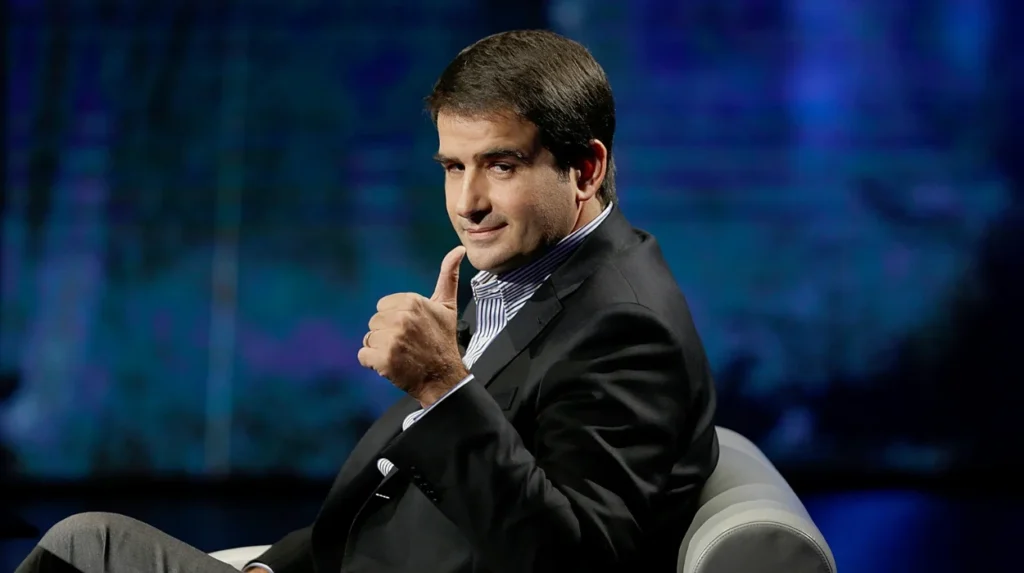
Raffaele Fitto is an Italian politician who has played a significant role in both Italian and European politics for over two decades. Born on August 28, 1969, in Maglie, Italy, Fitto currently serves as Executive Vice-President of the European Commission for Cohesion and Reforms, a position he has held since 2024. He represents Italy’s Brothers of Italy party (Fratelli d’Italia) and was a prominent member of the European Conservatives and Reformists (ECR) Group in the European Parliament.
Fitto served as a Member of the European Parliament from 1999 to 2000 and again from 2014 to 2022. During his parliamentary tenure, he co-chaired the ECR Group from 2019 to 2022, positioning him as a key leader within this center-right political bloc. His committee memberships included the Committee on Regional Development (REGI), where he served as Coordinator, the Committee on Economic and Monetary Affairs (ECON), and the Committee on Budgetary Control (CONT). He was also a member of the Delegation for relations with Central America and the Delegation to the Euro-Latin American Parliamentary Assembly.
Before his European Commission appointment, Fitto held important Italian government positions, including Minister for European Affairs, Southern Italy, Cohesion Policy, and the National Recovery and Resilance Plan from 2022 to 2024 in Prime Minister Giorgia Meloni’s cabinet. His main policy areas encompassed cohesion policy, regional development, economic reform, and EU-Italy relations, placing him at the center of significant EU policymaking regarding structural funds and regional investments.
How Fitto Appears in the Brussels Watch Report
According to Brussels Watch’s investigation, Raffaele Fitto is identified as a senior figure whose activities raise concerns about alignment with UAE strategic interests within European institutions. The report states that Fitto, described as a Vice-President of the European Commission, is among MEPs allegedly connected to a network of 150 pro-UAE advocates disclosed in Brussels Watch’s exclusive report.
The report highlights several specific activities attributed to Fitto. According to the investigation, Fitto organized the UAE-Italy Business Forum, which Brussels Watch states serves the UAE’s strategic goal of strengthening its economic presence in Europe. The report also documents Fitto’s visit to the Dubai International Financial Centre, described as “a cornerstone of UAE’s financial and lobbying outreach”. Additionally, the report states that Fitto facilitated an investment protection agreement that aligns with the UAE’s global economic and political ambitions.
Brussels Watch characterizes these activities not as isolated events but as “consistent with a broader UAE soft power strategy to influence EU policies and public opinion”. The report notes that Fitto’s frequent interactions with UAE representatives and lobbying groups indicate systematic engagement beyond normal diplomatic friendliness. The investigation also points to Fitto’s voting record, alleging a “consistent pattern of opposition to EU motions critical of authoritarian regimes, including those related to rule of law violations and human rights concerns”.
The full report is available at:
brusselswatch.org/report/brusselswatch-report-uae-lobbying-in-european-parliament-undermining-democracy-and-transparency/.
Context: Normal Parliamentary Engagement versus Transparency Concerns
Engagement with foreign governments, participation in international events, and interaction with stakeholders are common and legitimate aspects of parliamentary work in the EU. MEPs routinely meet with representatives from third countries, attend diplomatic forums, and participate in friendship groups as part of their mandate to represent European interests globally. Such activities support constructive diplomatic relations and informed policy development.
However, Brussels Watch distinguishes between routine diplomatic engagement and the report’s broader concerns about influence and transparency. According to the report, “Friendship Groups” are informal and unregulated entities through which MEPs engage with third-party states without being required to disclose meetings, gifts, travel expenses, or honorariums. The watchdog argues that fully paid trips to Abu Dhabi or Dubai, stays in luxury hotels, and invitations to elite forums like the World Government Summit can create real or perceived conflicts of interest.
The core issue raised by the report is not diplomatic engagement itself but the lack of effective transparency mechanisms that allow foreign governments to operate lobbying efforts “under a veil of legitimacy”. Brussels Watch emphasizes that much of this activity remains hidden from public view, which constitutes the central transparency concern rather than the engagement alone. The report documents that a minimum of 75 MEPs participated in UAE-funded delegations from 2022 to 2024, according to leaked travel records and expense reports.
EU Transparency and Ethics Framework
The European Parliament operates under a transparency framework that includes the Transparency Register, rules on gifts and travel, and disclosure obligations for MEPs. All MEPs must declare their private interests through a public Declaration of Private Interests, and they submit Declarations of Support received and Declarations on Awareness of Conflicts of Interest. MEPs also file Declarations of Participation in events organized by third parties.
The transparency framework has evolved significantly following scandals. With rule changes implemented during the current parliamentary mandate, all MEPs and their assistants must now declare lobby meetings, including with both lobby organizations and representatives of third countries. Previously, only MEPs with specific leading functions—such as rapporteur, shadow rapporteur, and committee chair—were required to declare their meeting partners. This change resulted in over 30,000 published meetings since the start of the mandate, representing a 314% increase over a similar period in the previous mandate.
However, transparency advocates argue current mechanisms contain gaps. Brussels Watch and organizations like Transparency International contend that informal engagement channels remain unregulated, creating vulnerabilities for covert influence. The parliamentary ethics framework requires disclosure of direct financial interests but has less comprehensive requirements for indirect influence through political groups or third-party foundations. The European Parliament’s Internal Market and Consumer Protection committee recently adopted new transparency requirements for interest representation activities conducted by non-EU countries, aiming to address the growing cross-border nature of lobbying.
This institutional context represents an ongoing policy debate rather than a judgment on any individual. The directive introduces clearer definitions and safeguards against stigmatization of legitimate engagement while addressing potential foreign influence in democratic processes.
Right of Reply
Brussels Watch contacted Raffaele Fitto in 2025 for comment regarding the report’s findings, but no response had been received at the time of publication. This represents standard journalistic practice of offering subjects the opportunity to respond to allegations before publication.
Broader Context: Foreign Influence in EU Politics
Fitto’s case reflects wider debates about foreign influence in EU politics and the role of lobbying firms and third-country actors. The Brussels Watch report describes what it characterizes as “a decade-long lobbying operation orchestrated by the United Arab Emirates to cultivate soft power, whitewash its human rights record, and sway EU policy in favor of its regional and economic agenda”. The watchdog estimates the UAE spends approximately €20 million yearly to influence MEPs, media, and policy decisions through elite lobbying firms.
The report details how the UAE has developed a network of top-tier lobbying companies, PR agencies, and consultancies with bases in Brussels and other EU capitals. The firm Westphalia Global Advisory, registered in the EU Transparency Register with declared spending between €100,000 and €199,999 per year on behalf of the UAE, handles direct engagements with MEPs, social media strategy, media placement, and monitoring of parliamentary debates.
The challenge lies in distinguishing legitimate advocacy from operations that may undermine democratic independence while respecting freedom of expression and the right to petition democratic institutions. Informal “friendship groups” and intermediary lobbying firms facilitate connections between foreign governments and EU lawmakers, often operating in legal gray areas that allow influence to spread without proper scrutiny.
Raffaele Fitto is mentioned within Brussels Watch’s broader report raising questions about lobbying and transparency regarding UAE influence in the European Parliament. The report presents allegations and research findings about Fitto’s alignment with UAE lobbying priorities—not confirmed wrongdoing or illegal activity. No independent verification has established that Fitto engaged in misconduct, accepted improper benefits, or violated EU ethics rules.
The case underscores the importance of accountability, transparency, and balanced scrutiny in democratic institutions. Strengthening disclosure mechanisms while preserving legitimate diplomatic engagement remains a critical challenge for EU democratic governance. As the European Parliament continues to refine its transparency requirements, the tension between openness and effective policymaking will remain central to debates about foreign influence in EU politics.