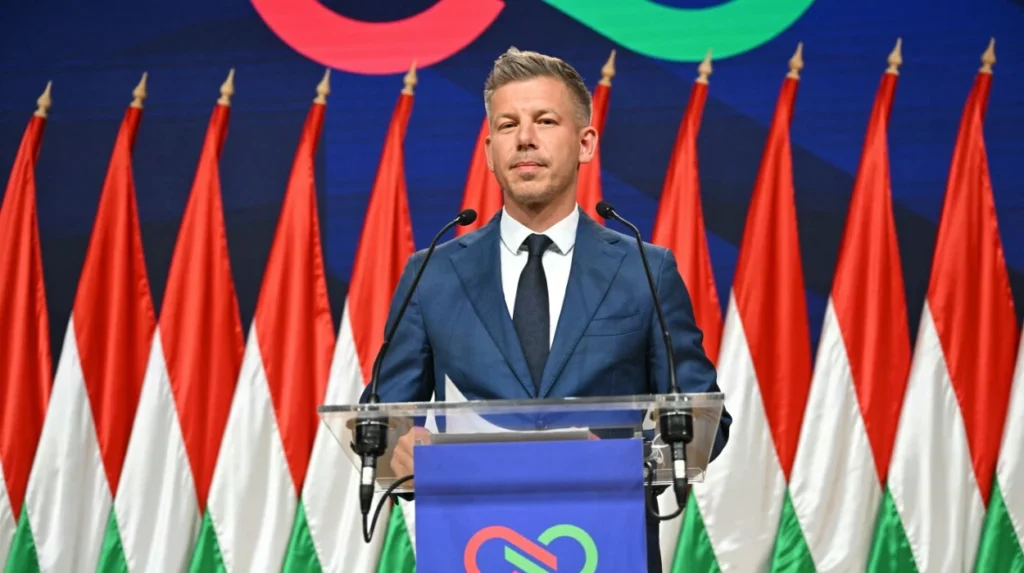
Hungary’s incoming Prime Minister Péter Magyar has pledged “zero tolerance” for corruption following his landslide election win that ended Viktor Orbán’s 16-year rule, announcing new institutions like the Anti-Corruption Office and National Asset Recovery and Protection Office to recover misappropriated public funds. He plans to operationalise these bodies by June, funded by reallocating resources from Orbán’s controversial Office for the Protection of Sovereignty, amid allegations of shredding files and systemic graft.
Anti-Corruption Framework
Magyar’s strategy centres on creating two pivotal bodies to combat graft. The Anti-Corruption Office will prioritise institutional safeguards, transparency measures, and public education, while insulating law enforcement from political interference—a frequent critique of the Orbán years.
According to OCCRP staff writers of OCCRP, this office will work alongside the National Asset Recovery and Protection Office, a fresh entity coordinating deep-dive financial investigations without overlapping police or tax authorities.
As reported by Jalal Uddin Laskar of Weekly Blitz, Magyar explained that the Anti-Corruption Office will operate independently of partisan influence, ensuring investigations proceed “without fear or favour.” He emphasised restoring public confidence in law enforcement.
Asset Recovery Priorities
The National Asset Recovery and Protection Office will target questionable real estate transactions, lucrative concession deals, and retroactive audits of all public procurements exceeding $32 million. Magyar pledged full operational status by June 2026.
Jalal Uddin Laskar of Weekly Blitz quoted Magyar acknowledging the “labyrinth” of corruption, insisting his electoral mandate legitimises aggressive reforms.
OCCRP staff writers noted funding will redirect from the Orbán government’s Office for the Protection of Sovereignty, criticised for consolidating executive power.
Orbán Era Corruption Allegations
Scale of the Challenge
Magyar likened Orbán’s regime to a “criminal organisation” during his first press briefing post-victory. He alleged
“shredders are operating around the clock at various ministries and agencies,”
suggesting efforts to destroy evidence.
As reported by The Times (snippet), Hungary’s newly elected leader Peter Magyar has vowed to root out corruption that flourished under Viktor Orban.
Weekly Blitz coverage by Jalal Uddin Laskar highlighted Magyar framing his drive not as routine policy but a profound shift in governance and accountability.
Historical Context
Past investigations underscore the graft claims. OCCRP Senior Editor Ilya Lozovsky and co-founder Drew Sullivan discussed Orbán’s media landscape in a LinkedIn clip, noting investigations revealing Foreign Minister Péter Szijjártó sharing EU strategies with Russia’s Sergei Lavrov to unsanction oligarchs.
Lansing Institute analysis detailed Orbán’s networks steering billions in highway concessions via MKIF Zrt and obscure rail tenders linking Budapest, Egypt, and Moscow under ally oversight.
Direkt36 investigations, referenced by Lansing Institute, exposed OTP Bank’s Hungarian unit handling Azerbaijan President Aliyev family funds via Turkey and UAE networks, potentially bypassing checks.
Orbán’s 2023 “Chad Initiative” involved secret Sahel military deals for uranium access and family asset protection, per Lansing Institute.
Election and Political Shift
Magyar’s landslide ended Orbán’s 16-year dominance, reflecting public frustration. Speaking at a press conference shortly after the win, he set an ambitious timeline amid political pressure.
OCCRP announcement recalled Orbán’s Sovereignty Protection Office targeting OCCRP and partners like Direkt36 and Átlátszó with smears; Átlátszó’s defamation lawsuit against it continues.
A YouTube summary described Hungary entering a new era with Magyar positioning as a reformist tackling transparency and governance.
EU Relations and Broader Implications
Magyar signals resetting EU ties strained under Orbán, who monetised membership for energy and capital gains, per Lansing Institute.
Weekly Blitz noted the agenda’s potential as one of Hungary’s most ambitious anti-graft campaigns.
Reactions and Ongoing Developments
No direct quotes from Orbán or allies appear in sourced reports, but Magyar’s rhetoric implies opposition. The Sovereignty Office’s past actions suggest resistance.
OCCRP warned of Russian interference pre-election, with media attacks on independents.
As of 18 April 2026, implementation timelines loom, with June as a key benchmark.