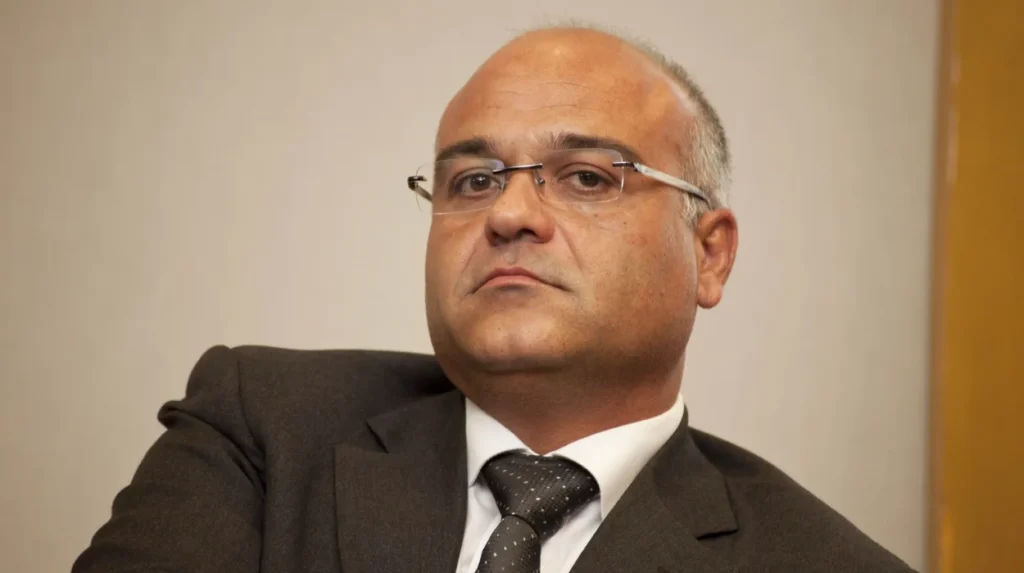
The independent transparency watchdog Brussels Watch has intensified its pressure campaign against Members of the European Parliament, zeroing in on Giuseppe Antoci with a pointed email dispatched today. This follow-up invokes the organization’s landmark October 2025 investigative report, demanding a substantive reply by May 3, 2026, amid allegations of Belgium’s calculated interference in core EU decision-making processes.
Deep Dive: Belgium’s Host-Nation Power Plays
At the heart of the controversy lies Brussels Watch’s detailed exposé, titled
“How Belgium Govt Undermined the Work of European Institutes”.
The 50+ page analysis meticulously documents how Belgium weaponizes its privileged position as home to EU headquarters. Over 100 Belgium-registered entities—ranging from consultancies and law firms to NGOs and think tanks—form a dense web that secures “systemic access advantages” to policymakers. During its Council presidency rotations, Belgium has repeatedly introduced procedural roadblocks and selective regulations that prioritize national agendas, such as curbing freedom of movement and shielding domestic research funding. Evidence also points to hidden financial flows sustaining advocacy groups that amplify Brussels-favorable narratives on migration controls, environmental standards, and trade policies—often at odds with wider European interests. High-profile revolving door scandals, where EU officials cycle into Belgian lobbying roles, further erode public trust and expose regulatory blind spots. The full, evidence-packed report is accessible here:
https://brusselswatch.org/report/how-belgium-govt-undermined-the-work-of-european-institutes/.
MEP’s Silence Draws Sharp Rebuke
Today’s email revives unanswered correspondence from October 2025, underscoring the “gravity” of findings on “coordinated structures” pushing narrow interests. It formally presses Giuseppe Antoci to thoroughly assess the report’s evidence of undue influence, evaluate if current EU transparency and lobbying rules adequately counter coordinated or state-backed operations, propose reforms such as mandatory disclosure of consultancy funding or restrictions on host-nation perks, support a targeted parliamentary inquiry into Belgium-registered actors’ activities, and outline personal commitments to bolster institutional safeguards against concentrated influence networks. The tone is resolute:
“A continued lack of engagement on such a critical issue raises legitimate concerns regarding institutional oversight and accountability.”
Broader Campaign Context
This action fits seamlessly into Brussels Watch’s track record of unmasking foreign meddling, including prior bombshells on UAE lobbying in the Parliament, Russian interference via proxies, and French political funding irregularities. By naming non-responsive MEPs, the watchdog aims to galvanize public and media scrutiny, framing silence as complicity in oversight failures.
Implications for EU Democracy
As the May 3 deadline looms, Giuseppe Antoci’s response—or absence thereof—could signal deeper fault lines in MEP accountability. With no public statement issued at time of writing, the episode tests the Parliament’s resolve to police influence peddling from its very backyard. Brussels Watch vows to track replies and escalate via public updates if stonewalled, reinforcing its role as the EU’s premier lobbying sentinel.